Our Blog

I chipped a tooth. What can I do?

September 6th, 2023
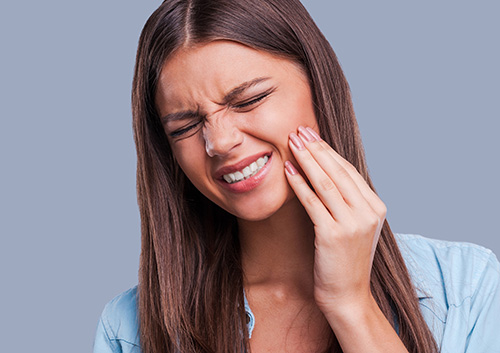
You just crunched down on a piece of hard food when you suddenly realize there is something hard still in your mouth. Your nightmare is confirmed when you retrieve a piece of your tooth from your mouth. You chipped your tooth; now what?

Obviously, the first thing you need to do is call our Middleton, WI office. While we make every effort to see emergent cases immediately, you may have to wait a day or so before you can see Dr. Joel Hartjes and Dr. Jon Szewczyk. Luckily, it’s easy to take care of your chipped tooth while you wait.

How to Take Care of a Chipped

The last thing you want is for the tooth to become infected or break even more. Let’s look at a few things you can do:

  • If the chipped tooth is causing you pain take an over-the-counter pain medication, like Tylenol. Always follow the directions on the label.
  • You should also rinse your mouth with lukewarm saltwater, as this will help prevent an infection from setting in.
  • If your chipped tooth has a sharp edge, cover it up with a piece of wax to prevent it from cutting you cheek, tongue, or lip.
  • If you have to eat, make sure you eat soft foods and don’t bite down on the chipped or broken tooth.

Treatment Options for a Chipped Tooth

  • Dental Filling and Bonding – If you only have a small chip in your tooth, Dr. Joel Hartjes and Dr. Jon Szewczyk will probably fix it with a filling. If it is a front tooth, we may bond the tooth using a tooth-colored compound.
  • Dental Crown or Cap – If you broke a large piece of your tooth, we may grind the remaining part of your tooth and put a crown or cap on it.
  • Dental Veneers – If you chipped or broke your front tooth then choosing a dental veneer may be your best choice. It will make your tooth look completely normal.
  • Root Canal – If you cracked your tooth and the center (pulp) of the tooth is exposed and infected, you will need a root canal. If the center of your tooth is exposed, it becomes vulnerable to bacteria that will cause your tooth to abscess.

Chipping or breaking your tooth is never a good thing, and you should always call our Middleton, WI office right away. The sooner you get your tooth repaired the less likely you are to have any problems with it.

Cleaning Your Teeth—Time for a Refresher Course!

August 30th, 2023

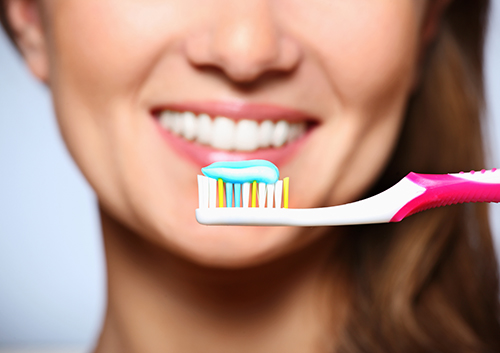
Let’s face it, by now, brushing our teeth is something we pretty much do on auto-pilot. A quick brush after breakfast, a minute or so at night, floss when we think of it. Done. But take a few minutes to review these cleaning tips, and see if a few small adjustments to your routine could make all the difference at your next checkup at our Middleton, WI office.

  • Tools

Some of us prefer brushing with a manual brush. Some like the electric brush for ease and comfort. Whichever form of brush you choose, be sure that it fits comfortably in your mouth, reaches everywhere it needs to, and has a handle that is easy to grip. There are many bristle options available, so if you are an energetic brusher, or if you have sensitive gums, try a soft bristled brush for gentler brushing.

If you haven’t been exploring the floss aisle lately, there are now many varieties available to suit your particular needs. Besides the traditional floss, there are coated flosses for easy gliding between teeth that fit closely together, dental tape-style flosses to fit teeth with wider spacing, and even flosses designed just for braces that thread between the wires and brackets. Talk to Dr. Joel Hartjes and Dr. Jon Szewczyk at your next cleaning for product suggestions if you think there’s an easier, more comfortable option out there for you.

  • Technique

With proper technique, any toothbrush and floss you choose will do a fine job of removing plaque.

Brushing? There’s a tried and true method for success. Place the toothbrush at a 45° angle at the gum line. Be sure to brush the outside, inside, and chewing surface of each tooth thoroughly. Remember the expression, “Massage, don’t scrub.” Over-vigorous brushing can actually irritate gum tissue and damage enamel. An electric toothbrush should provide a continuous brushing motion without needing any pressure from the brusher. This might be the model for you if you have a too-vigorous approach to brushing, or sensitive teeth and gums. If you like your manual brush, again, give a soft-bristled brush a try!

As for flossing? That harmless-looking little string can cause gum damage if used too forcefully. You can accomplish the placement and cleaning power you need by easing the floss down to the gumline and flossing with gentle pressure against the tooth surface. If you have any questions about technique, remember—we are always happy to let you know the best cleaning methods for your specific needs.

  • Timing

Of course, the best tools and the best technique in the world won’t be effective unless you put the right amount of time into brushing and flossing.

The standard rule is two minutes of brushing in the morning and two minutes at night. If you wear braces or have other special circumstances, we might recommend brushing after every meal. And if you brush after breakfast, give your teeth half an hour or so to remineralize. This natural process uses the calcium and phosphate ions in your saliva to strengthen tooth enamel after it’s been exposed to any acidic foods in your breakfast.

Thorough flossing can be accomplished in a few minutes, and might be needed only once a day. But again, depending on your individual needs, we might have other recommendations. Let’s review what works for you at your next visit—we can tailor suggestions for a brushing routine to your unique needs.

It’s a great idea to review your brushing habits periodically to make sure you are getting the most out of those minutes you spend cleaning your teeth. There won’t be a test at the end of this review, and you won’t get a gratifying grade or a gold star. What you will get is much more important—better checkups, fewer cavities, and healthy teeth and gums. Happy cleaning!

Let’s Talk About Fluoride

August 30th, 2023

So much of parenting is a balancing act. Making sure your child has enough play time and enough nap time. Crafting meals that are both healthy and appealing. Making sure every dental product you use is both effective and safe.

While Dr. Joel Hartjes and Dr. Jon Szewczyk and our team can’t recommend the perfect bedtime story, or tell you why your child just won’t go for that delicious steamed broccoli, we are more than happy to discuss the very best ways to promote healthy, strong teeth. Should fluoride toothpaste be part of your child’s dental routine? For many good reasons, the answer is yes.

Why Fluoride is Important

Our enamel is the strongest substance in our bodies, with the highest concentration of minerals, but it is not indestructible. The bacteria that live in our mouths create acids which attack our enamel. Weakened enamel leads to cavities. Fluoride is a mineral that makes the enamel surface more resistant to these acids, and can actually help our enamel repair itself in a process called “remineralization.” Fluoride helps prevent cavities and makes teeth stronger, and those are benefits that will last your child a lifetime.

Can There Be Too Much of a Good Thing?

Fluorosis is a condition that can sometimes develop when a child has been exposed to too much fluoride while the adult teeth are developing below the gum line. (Around the age of eight, children’s teeth have finished forming and are not at risk.) Fluorosis is not a disease, and doesn’t harm teeth, but can lead to faint streaks in the enamel. While this streaking is usually white and subtle, it can sometimes be darker and more noticeable. Teeth discolored by fluorosis can be treated cosmetically, but prevention is always the best option.

Finding the Perfect Balance

Talk to us about using fluoride toothpaste when your baby’s first teeth start arriving. If a very young child is at risk for tooth decay, we might recommend early use of fluoride toothpaste. And for these small children, younger than the age of three, a small smear of paste (about the size of a grain of rice) is sufficient if needed. Swallowing fluoride products increases the risk of fluorosis, so make sure to use a very small amount of paste.

Because young children can’t understand the concept of rinsing and spitting, you always want to make sure the amount of toothpaste you use is age-appropriate even as they get older.  From ages three to six, a pea-sized dab of toothpaste is enough. Children should not use fluoride rinses or supplements unless recommended, and should be monitored to make sure they spit out fluoride toothpaste or rinses after brushing.

Most drinking water already has natural levels of fluoride, which normally aren’t a problem. If you are concerned about high fluoride levels in your local water, talk to us. If your water has higher levels of fluoride than normal, you can minimize consumption when your baby is young by breastfeeding, using non-fluoridated water for mixing with formula powder or concentrate, or buying prepared formula. If your child is a toddler, don’t add fluoride rinses or supplements unless they are recommended by a dental or medical professional.

Talk to us during your visit to our Middleton, WI office about protecting your child’s teeth. We are happy to help you find just the right amount of fluoride to keep young smiles stronger and more resistant to tooth decay. Healthy teeth in a beautiful smile—that’s a perfect balance!

Dental Insurance Benefits

August 24th, 2023

Dental insurance can be a great addition to your health care plan, but the way benefits are calculated can also make it a confusing one. If you have dental insurance, you might be wondering how you can make the most of your benefits. Let’s look at some of the important things to remember about taking advantage of your dental insurance.

  • Know Your Benefits

Figuring out what insurance will and won’t pay for, what percentage of a procedure is covered, what the insurance company considers an allowable fee, when you have covered your deductible for the year—these calculations are often bewildering. It’s helpful to call our office and check with your insurance provider to learn the final cost of any treatment, and how much, if any, will be covered by your insurance.

  • Use Your Benefits

Don’t lose benefits you have paid for! If you have not used your benefits, the time to do so is before the end of the insurance period (which may or may not be the end of the calendar year). When your dental plan re-starts, you will be paying for these unused benefits all over again. Similarly, if you have used your insurance and covered your deductible for the year, it makes sense to schedule your appointments before a new year brings a new deductible amount you will have to meet.

If you qualify for a certain number of preventive services such as check-ups and cleanings, you should always take advantage of this benefit—not only to find possible dental problems, but to prevent them.

And, if you have set up a Flexible Spending Account (FSA) to cover medical and dental expenses for the year, be sure to use the money in the account or you might lose it at the end of your year’s coverage. Many dental procedures are covered by an FSA—talk to our Middleton, WI team and your provider for details.

  • Possible Tax Deductions

If you are paying for your own dental insurance, you might be able to take advantage of the deduction for medical and dental premiums and expenses on your taxes. If your employer pays for your insurance, if you take the standard deduction, or if you spend less than a certain proportion of your income on health costs, these expenses are most likely not deductible. Be sure to check with your tax preparer or with the IRS for latest information on dental and medical deductions.

Finally, you should never put off urgent dental work because of insurance considerations. At the same time, you should be able to take full advantage of any dental insurance plan you have purchased, because you deserve to get every benefit you have paid for. Dr. Joel Hartjes and Dr. Jon Szewczyk and our team are here to help you work with your insurance company in any way we can. Our goal is the same as yours—insuring dental health for you and your family!

1001 N Gammon Rd #2
Middleton, WI 53562
(608) 836-5600