Our Blog

How do I pick the right toothpaste for my needs?

February 2nd, 2017
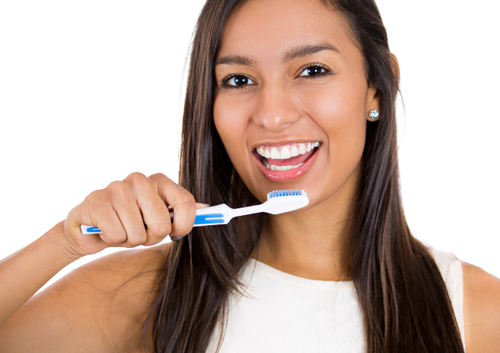
With so many toothpastes available in so many price ranges, it can be difficult to be sure you are selecting the right one for your needs. You need a product that not only protects against tooth decay, but also addresses any special concerns that Dr. Brad Hartjes and Dr. Joel Hartjes and our team have raised. Look for the American Dental Association seal and do some research to find the toothpaste that best meets your needs.

Choose a Product Approved by the American Dental Association

The American Dental Association approves dental products such as toothbrushes, dentures, mouthwashes, dental floss, and toothpastes when they meet certain quality standards. Before products can display the seal, the American Dental Association must verify that the product does what it claims to do. Look for the American Dental Association seal on the toothpaste package before you buy it. Also, check to make sure that the toothpaste contains fluoride, which helps protect against decay.

Consider Special Needs

You may be depending on your toothpaste to perform extra tasks beyond cleaning your teeth. These are some common concerns that the right toothpaste can address.

  • Bad breath (halitosis)
  • Sensitive teeth
  • Plaque or gingivitis
  • Tartar
  • Yellowing teeth

The American Dental Association’s website has a tool that lets users input their requirements and view a list of the toothpastes that carry the American Dental Association’s seal and address those particular oral health needs.

Make Your Children’s Tooth-Brushing Experience Fun

If you select toothpaste that contains fluoride and has the American Dental Association seal, most types of toothpaste will be fine for your children as long as they have no special needs. Allowing your kids to select fun toothpaste can encourage them to enjoy the brushing experience more, so that they brush more frequently and do a better job.

The following toothpaste characteristics can make brushing more fun for children.

  • Fun flavors, such as bubble gum, berry, and watermelon
  • Sparkles and swirls that make the toothpaste appear more attractive
  • Toothpaste that comes in a pump
  • Toothpaste with a container decorated with superheroes

Solutions for Dry Mouth (Xerostomia)

January 26th, 2017

Dry mouth, or xerostomia, is a common side effect of many medications. It can also be a side effect of cancer treatments, or the result of certain auto-immune diseases. Dr. Brad Hartjes and Dr. Joel Hartjes and our team at Hartjes Dental Associates will tell you that for most people, discontinuing their medication isn’t an option. The solution is two-fold: find ways to increase saliva production and eliminate specific things that are likely to increase dryness in the mouth.

Lack of saliva creates a situation in the mouth that allows harmful organisms such as yeast and bacteria to thrive. It may also make it difficult to swallow food, create a burning feeling in your mouth, or cause bad breath, among other problems.

Medications that are known to cause dry mouth include:

  • Anti-depressant drugs
  • Anti-anxiety medications
  • Drugs for lowering blood pressure
  • Allergy and cold medications — antihistamines and decongestants
  • Chemotherapy drugs
  • Medications to alleviate pain
  • Drugs used in the treatment of Parkinson’s disease

Saliva helps people digest their food. It also functions as a natural mouth cleanser. Xerostomia increases the risk you will develop gum disease or suffer from tooth decay.

Solutions for dry mouth

  • Carry water wherever you go, and make a point of taking regular sips.
  • Avoid oral rinses that contain alcohol or peroxide.
  • Chew sugarless gum or suck on sugarless hard candies that contain xylitol.
  • Limit your consumption of caffeine, carbonated beverages (including seltzer and sparkling waters), and alcoholic beverages.
  • Brush your teeth at least twice a day, and use dental floss or other inter-dental products to remove food particles that get stuck between your teeth.
  • Look for oral rinses and other oral hygiene products that bear the American Dental Association (ADA) Seal of Approval.
  • Brush your teeth and use oral rinses that contain xylitol. Certain gels and oral sprays are equally helpful. Biotene is one over-the-counter brand that makes products designed to treat dry mouth.
  • Make sure you get your teeth checked and cleaned twice a year. Dr. Brad Hartjes and Dr. Joel Hartjes will be able to examine your mouth for problems and treat them before they turn into something more serious.

You may not be able to solve your dry mouth problem altogether, but you’ll be able to deal with it by following these recommendations. You’ll be able to increase saliva production while reducing your risk of more serious dental problems. To learn more about preventing dry mouth, or to schedule an appointment with Dr. Brad Hartjes and Dr. Joel Hartjes, please give us a call at our convenient Middleton, WI office!

Early Detection is Key to Treating Oral Cancer

January 19th, 2017

Every hour of every day, someone in North America dies of oral cancer, the sixth most common diagnosed form of the disease. The five-year survival rate is only 50 percent, and oral cancer is one of the few cancers whose survival rate has not improved.

This grim statistic may make you think that oral cancer is a particularly deadly form, when in fact the high death rate has more to do with how late in its development oral cancer is detected. Routine screening is the key to early detection and survival, and in our continuing efforts to provide the most advanced technology and highest quality care available to our patients at Hartjes Dental Associates, we proudly screen our patients for oral cancer.

So, who’s at risk for oral cancer?

Anyone can develop oral cancer, but some people are at a higher risk. These high-risk groups include those over the age of 50 and men, who are twice as likely as women to develop the disease. Smoking or chewing smokeless tobacco products, consuming alcohol excessively, and constant exposure to the sun at a young age are also risk factors.

How is oral cancer detected?

Dr. Brad Hartjes and Dr. Joel Hartjes and our team at Hartjes Dental Associates suggest our patients perform a monthly self-examination to check for unusual red or white patches, sores, lumps, or thickenings anywhere inside the mouth, on the lips, or in the throat and neck area.

We encourage you to give us a call at our convenient Middleton, WI office if you find any of these symptoms or if you have trouble swallowing or experience a chronic sore throat and hoarseness. During your visit, Dr. Brad Hartjes and Dr. Joel Hartjes will inspect the oral tissues and neck to determine if abnormalities are present.

What happens if oral cancer is detected?

If we discover abnormal tissues during your visit, a biopsy will be required. The results from the biopsy will be sent to a laboratory to determine if the cells are cancerous or precancerous. If a diagnosis of cancer is made, surgery, as well as treatment such as chemotherapy or radiation may be necessary. Dr. Brad Hartjes and Dr. Joel Hartjes and our team will work closely with your oncologist and other members of your medical team to ensure that you achieve the best possible oral health care both during and after treatment.

Finding out you have oral cancer can be devastating news. If you are concerned that you might be at risk for developing oral cancer, talk to us about screenings and other things you can do to reduce your risk. Through a routine visual inspection, Dr. Brad Hartjes and Dr. Joel Hartjes and our team at Hartjes Dental Associates can often detect premalignant abnormalities and cancer at an early stage when treatment is both less expensive and more successful, and can potentially save your life. Ask us about a screening during your next visit!

How many times a day should I floss?

January 12th, 2017

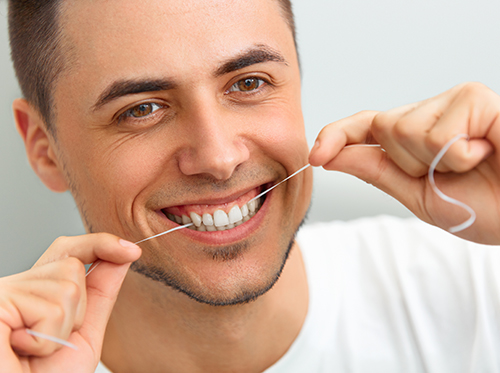
Flossing is one of the most important parts of your oral care routine. Many patients know they need to do it but find it difficult to fit into their busy lives. Well, here's the good news: flossing once a day is enough if you're doing a good job!

Some patients like to brush before they floss and others like to floss before they brush. Some like to floss in the morning when they have more energy, others like to floss at night so they can go to bed with a clean mouth. Don't get hung up on any of this, the important thing is that you floss and floss effectively no matter when you do it.

Effective flossing contributes to oral health in these ways:

  • It reduces the chance of cavities between teeth, since cavities can only form on teeth covered with dental plaque and you're scraping that plaque away when you floss.
  • Along with brushing, it reduces the amount of time the plaque is left on your teeth, allowing them to be in a state of healing and remineralization for longer.
  • It removes plaque that accumulates at or below the gum line, aiding in the prevention of gum disease.

As you can see, flossing offers many benefits for such a simple and inexpensive technique. So if you're still wondering how much to floss, don't worry about it. Don't mistake the frequency of your flossing with the effectiveness of it. Choose a dental floss that you like and one time during the day when you can floss thoroughly and just do it! If you need more tips on how to floss correctly, ask Dr. Brad Hartjes and Dr. Joel Hartjes or any member of our Middleton, WI team—we'd be glad to help you pick up this healthy habit!

1001 N Gammon Rd #2
Middleton, WI 53562
(608) 836-5600